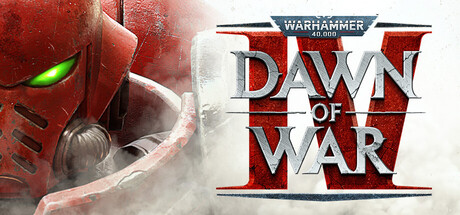
The Dawn of War 4 release date is Thursday, December 3, 2026, and it is a PC exclusive on Steam. If you grab the Commander Edition, you can start playing three days earlier, on November 30. That is less than three weeks away, so now is a good time to sort out which edition makes sense and whether your rig is ready.
I grew up on the original Dawn of War and lost far too many evenings to Dark Crusade. So I have been watching this one closely, delays and all. Here is everything confirmed so far, what is still missing, and what I would do before launch day.
Dawn of War 4 Release Date and Early Access
Warhammer 40,000: Dawn of War IV was first set for September 17, 2026. In August, developer KING Art pushed it back to December 3. Creative director Jan Theysen said the extra weeks would go toward playtest feedback, bug fixes, performance work and general polish. Thousands of players took part in those playtests, so the delay reads like a studio listening rather than a project in trouble.
Here are the key dates in one place:
- November 30, 2026: Early access for Commander Edition owners.
- December 3, 2026: Full launch for everyone on Steam.
- Through December 3: 10 percent preorder discount on both editions.
The exact unlock hour has not been announced yet. Preload timing and download size are also unconfirmed. Keep an eye on the Steam news tab during launch week, since that is usually where those details land first.
Is Dawn of War 4 Coming to Consoles?
No console version has been announced. The game is built for mouse and keyboard, with base building, squad control and hotkeys at its core. That suits PC players perfectly. There is no official Steam Deck rating yet either, so handheld fans should wait for Valve’s verdict closer to launch.
Price and Editions: Standard vs Commander
There are two editions on Steam. Prices below are US list prices, with the preorder deal in brackets.
- Standard Edition, $59.99 ($53.99 preorder): The base game.
- Commander Edition, $89.99 ($80.99 preorder): The base game, Year One expansion content, a Blood Ravens story prologue, the digital soundtrack and three days of early access.
The Year One content includes the Aftermath campaign expansion, which adds a new playable faction. Deep Silver has not named that faction yet, and it has not dated the expansions either.
Which Edition Should You Buy?
My take is simple. If you know you will play the post-launch story expansions, the Commander Edition is the better value. You pay about $27 more at preorder prices, and that covers a full new faction plus extra campaign content. The early access is a nice bonus for multiplayer players who want a head start on build orders.
If you mostly want the campaign and some skirmish, go Standard. You can always upgrade later once reviews and the roadmap are clearer. Buying a big expansion pass before a single review is out is always a gamble.
Factions, Campaign and Story
Four factions are playable at launch, and each one gets its own campaign:
- Space Marines: The Blood Ravens return, joined by the Dark Angels. Cyrus and Jonah Orion lead the story.
- Orks: Huge green waves, loud machines and plenty of chaos.
- Necrons: Teased at the end of Dawn of War III, finally playable.
- Adeptus Mechanicus: A series debut, and the faction I am most curious about.
The four campaigns add up to more than 70 missions, and you can play them solo or in co-op with a friend. They feed into one larger plot set on Kronus, the planet from Dark Crusade, about 200 years after those events. Warhammer author John French wrote the story.
Campaign choices matter too. Key decisions change the course of the story, and some missions only show up on later playthroughs. That gives the campaign real replay value, which is rare for an RTS.
Gameplay: A Return to Classic RTS Roots
This is the part veterans care about most. Dawn of War III split the fanbase with its MOBA-style hero focus. Dawn of War 4 goes back to what made the first game great.
You capture requisition points, build and reinforce a base, research upgrades and recruit squads. Cover is back, so units behind walls and debris take less damage. Positioning matters again, and you can feel it in the previews.
Sync kills also return, now driven by a “combat director” system. Melee fights trigger matched animations between units, and the studio says they now happen across every fight. That was the magic of the 2004 original, and seeing it scaled up is the main reason I am excited.
Each faction also has Stratagems. These are powerful abilities you unlock by banking resources. Space Marines, for example, can call in an orbital bombardment. More than 10 commanders are playable across the four factions, and over 100 units and buildings ship at launch, many with swappable weapons.
Why KING Art Is a Good Fit
Relic, the studio behind the first three games, is not involved this time. KING Art made Iron Harvest, a well-liked RTS with cover-based squad combat and a strong single-player campaign. That is close to the Dawn of War formula already. The game runs on Unity, the same engine Iron Harvest used.
Game Modes and Multiplayer
Dawn of War 4 launches with a full set of modes, not just a campaign:
- Campaign: 70+ missions across four factions, solo or co-op.
- Skirmish: Offline matches against up to five AI opponents, with four game types.
- Last Stand: Three-player co-op survival against enemy waves, with five heroes to pick from. It returns from Dawn of War II, redesigned to feel less like a MOBA.
- Multiplayer: 1v1, 2v2 and 3v3 across three game types and 30 maps, including Annihilation and Domination.
The Painter tool also returns, so you can recolor your armies in detail. Anyone who spent hours on custom Space Marine chapters in the original will feel right at home.
Year One Roadmap
KING Art has a Year One plan with free and paid content. Free updates include the return of Crusade Mode, new maps, new modes, new commanders and a mission editor. Two major story expansions are planned on the paid side, and one of them brings the fifth faction. No dates yet. The studio says those will come closer to launch.
Dawn of War 4 PC Specs: Official Requirements
KING Art and Deep Silver finally posted the official PC requirements on November 12, in a Steam community announcement. Two things jump out right away. Windows 11 is required, even at minimum. And you need 125 GB of free space on an SSD.
Minimum Specs
- OS: Windows 11, 64-bit
- CPU: Intel Core i5-10600K or AMD Ryzen 5 2600X
- GPU: Nvidia GeForce GTX 1660 or AMD Radeon RX 5700, 6 GB VRAM
- RAM: 16 GB
- Storage: 125 GB SSD
Recommended Specs
- OS: Windows 11, 64-bit
- CPU: Intel Core i7-12700 or AMD Ryzen 5 7600X
- GPU: Nvidia GeForce RTX 3060 Ti or AMD Radeon RX 9060, 8 GB VRAM
- RAM: 32 GB
- Storage: 125 GB NVMe SSD
The studio has not tied these tiers to a resolution or frame rate target yet. Upscaling support and a Steam Deck rating are also unannounced. The GPU bar is friendly, but the CPU and memory asks are heavier than usual. That fits an RTS, where huge late-game fights hammer the processor more than the graphics card.
How I Would Prepare My Rig
- Storage: Clear 125 GB on an SSD now, ideally NVMe. A hard drive is not supported. Our SSD vs HDD guide explains why it matters.
- Memory: 16 GB will run it, but 32 GB is the recommended target for big 3v3 battles. See how much RAM you actually need.
- Windows: Still on Windows 10? You will need to upgrade before launch. Then update your GPU drivers and run through our Windows gaming optimization steps.
If you are planning a graphics card upgrade anyway, our best GPU for gaming guide covers every budget. For other big strategy and RPG launches this winter, check our upcoming PC games list.
Should You Preorder Dawn of War 4?
Preorder discounts are tempting, but I would not rush. Reviews will likely land around the November 30 early access window, just days before full launch. The 10 percent discount runs until December 3, so you lose nothing by waiting a few days for verdicts.
The signs are good, though. The studio delayed to polish rather than rush. It brought back base building, cover and sync kills. And it built the game around the PC audience that kept this series alive for 20 years. If those early reviews confirm the previews, this could be the RTS comeback strategy fans have wanted since Dark Crusade.